
Cyclical Living isn’t a Lifestyle Trend. It’s missing infrastructure.
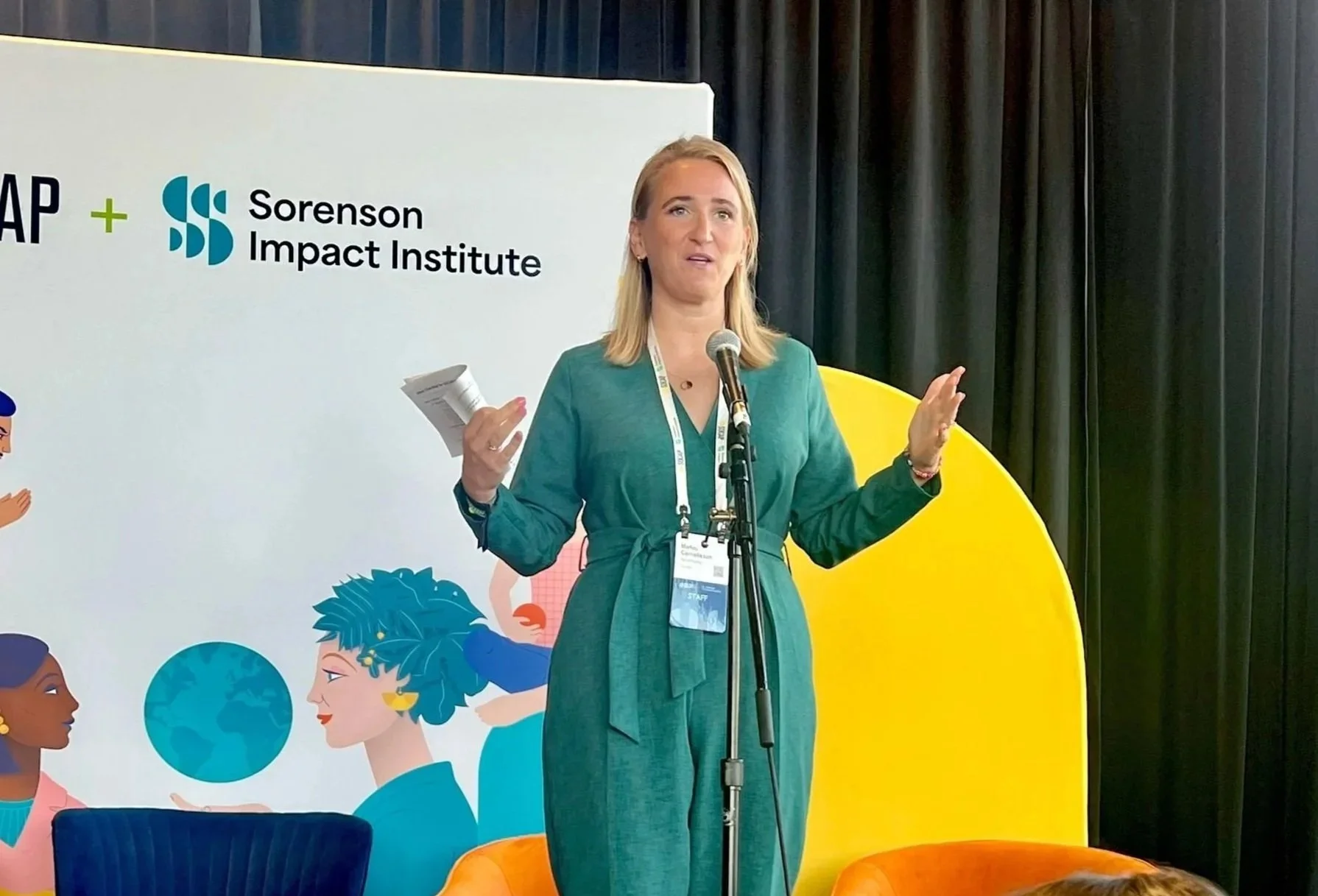
By Marlou Cornelissen, Founder of Period Reality & JIBE
For years, we’ve been taught to optimise ourselves against a single metric: consistency.
Same energy. Same output. Same expectations. Every day.
But human bodies - especially menstruating ones - are not built for sameness. They are built for rhythm.
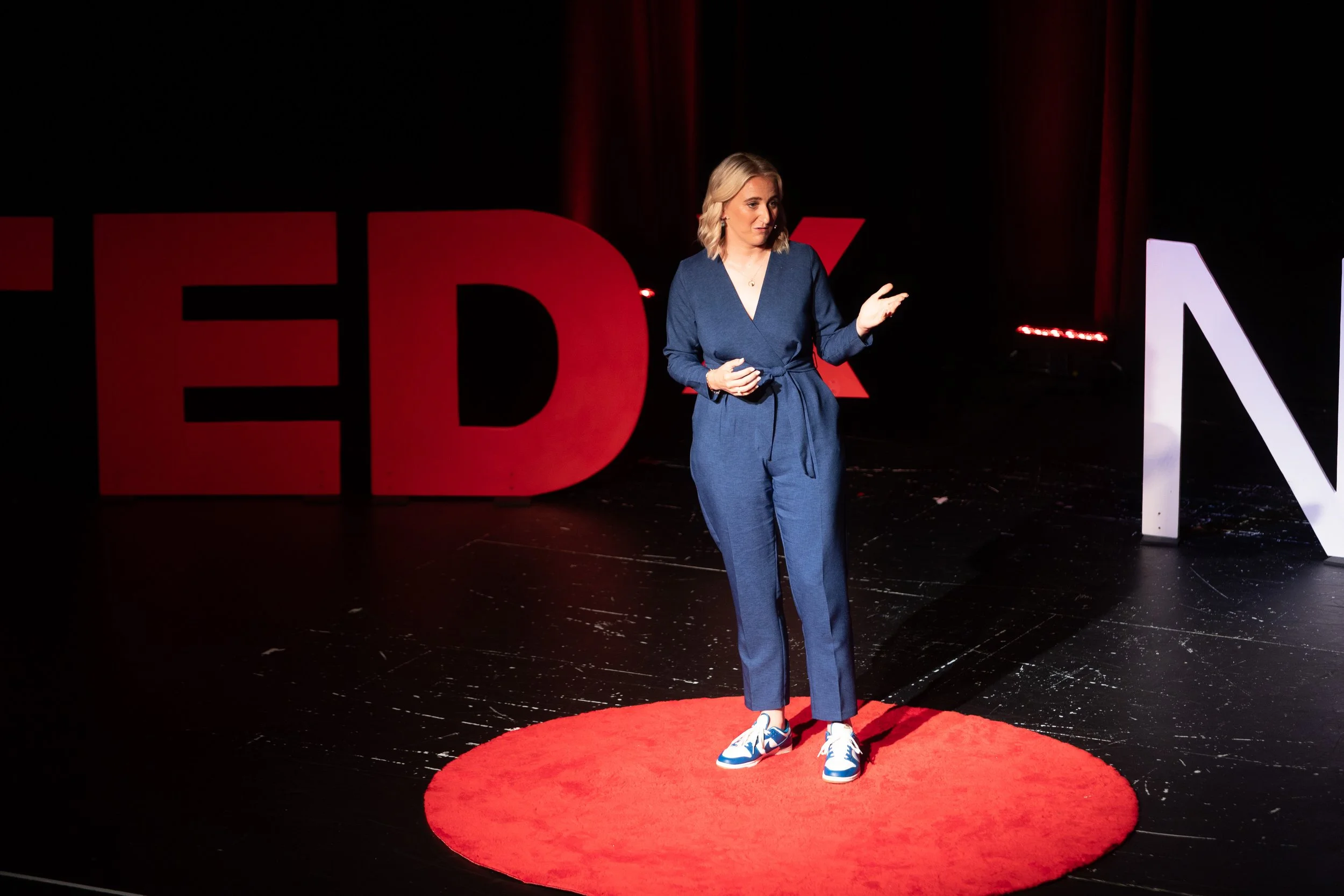
When I stepped onto the TEDx stage earlier this year, I wasn’t there to romanticise cycles or sell a softer productivity hack. I was there to name something far more uncomfortable and far more powerful:
We have designed our homes, schools, workplaces and policies around a 24-hour clock, while ignoring a 28-day reality.
Cyclical living isn’t about doing less.
It’s about designing better.
And right now, our systems are out of sync.
Beyond awareness: Why Cyclical Living needs structure
The conversation around cyclical living is growing, and that matters. Awareness is a necessary first step. But awareness alone does not change systems.
Knowing that energy fluctuates across the menstrual cycle doesn’t help if:
Meetings are always scheduled for peak performance hours
Leadership is rewarded for linear output
Symptoms are medicalised instead of contextualised
Rest is framed as weakness rather than intelligence
This is where cyclical living often gets stuck; positioned as a personal wellness choice rather than a collective design challenge.
What if cyclical living wasn’t something individuals had to negotiate for?
What if it was something systems were built to support by default?
From Taboo to Translation: How Period Reality began
Period Reality didn’t start as a brand. It started as frustration.
After years working across global health, policy and youth leadership; from grassroots communities to the United Nations, I kept seeing the same pattern:
Menstrual health was either invisible, infantilised, or isolated from the systems it most affected.
So we did something different.
Instead of asking people to be more accommodating, we focused on building shared understanding.
A language for cycles that could be felt in the body, spoken in community and recognised across cultures and contexts.
Period Reality became the first global movement translating menstrual cycle awareness into deeper body literacy, personal agency and collective wellbeing.
Not by isolating menstruation as a medical issue but by rooting it in lived experience.
Helping people understand their bodies without shame.
Supporting conversations that had previously been silenced.
Creating pathways for knowledge to move between homes, schools, communities and public life.
Not as a niche issue.
But as infrastructure.
Cycles as Intelligence, not Limitation
One of the most persistent myths about menstrual cycles is that they are a liability.
In reality, they are one of the most sophisticated feedback systems we have.
Across a single cycle, many people experience:
Peaks in verbal confidence and collaboration
Windows of strategic clarity and big-picture thinking
Phases ideal for execution and detail
Moments that call for rest, reflection and reset
Cyclical living doesn’t ask us to perform despite these shifts.
It asks us to lead with them.
The problem isn’t fluctuating capacity.
The problem is pretending we don’t.
Why Workplaces are the Leverage Point
Culture doesn’t change because people know better.
It changes because environments make new behaviour possible.
That’s where JIBE comes in; not as a wellness add-on, but as a workplace partner helping organisations move from good intentions to lived practice.
JIBE works with teams to embed cycle awareness into:
→ Role design
→ Performance conversations
→ Meeting culture
→ Leadership development
Not by asking everyone to disclose personal information.
But by designing flexibility, trust and autonomy into the system itself.
When workplaces change, ripple effects follow; into families, healthcare experiences and future generations.
Cyclical Living is a Collective Skill
One of the biggest misconceptions is that cyclical living is only relevant to people who menstruate.
In reality, it improves life for everyone.
Because when we design for variability:
Burnout decreases
Creativity increases
Communication improves
Leadership becomes more human
Cyclical living teaches us to work with time, not against it.
To see rest as strategy.
To value difference as data.

The Invitation
We don’t need more people silently tracking cycles in systems that weren’t built for them.
We need systems brave enough to evolve.
Cyclical living is not a trend.
It’s a remembering.
And it’s already reshaping how we live, lead and work; whether our structures are ready or not.
The question is no longer if this shift will happen.
It’s whether we choose to design it - together.
#CycleTracking #CycleAwareness #PeriodReality