
Women, Menstruation and Science
By Elora Basu and the Period Reality Research Team
On the 11th of February, we celebrated the International Day of Women and Girls in Science. It’s therefore worth reflecting on how science has shaped our understanding of menstrual health, and the inspiring role women have played in improving that understanding. Menstruation is a process that has been experienced by women throughout history, but knowledge about it has been filtered through myth, fear and social control, both before and after science became the dominant way of understanding bodies.
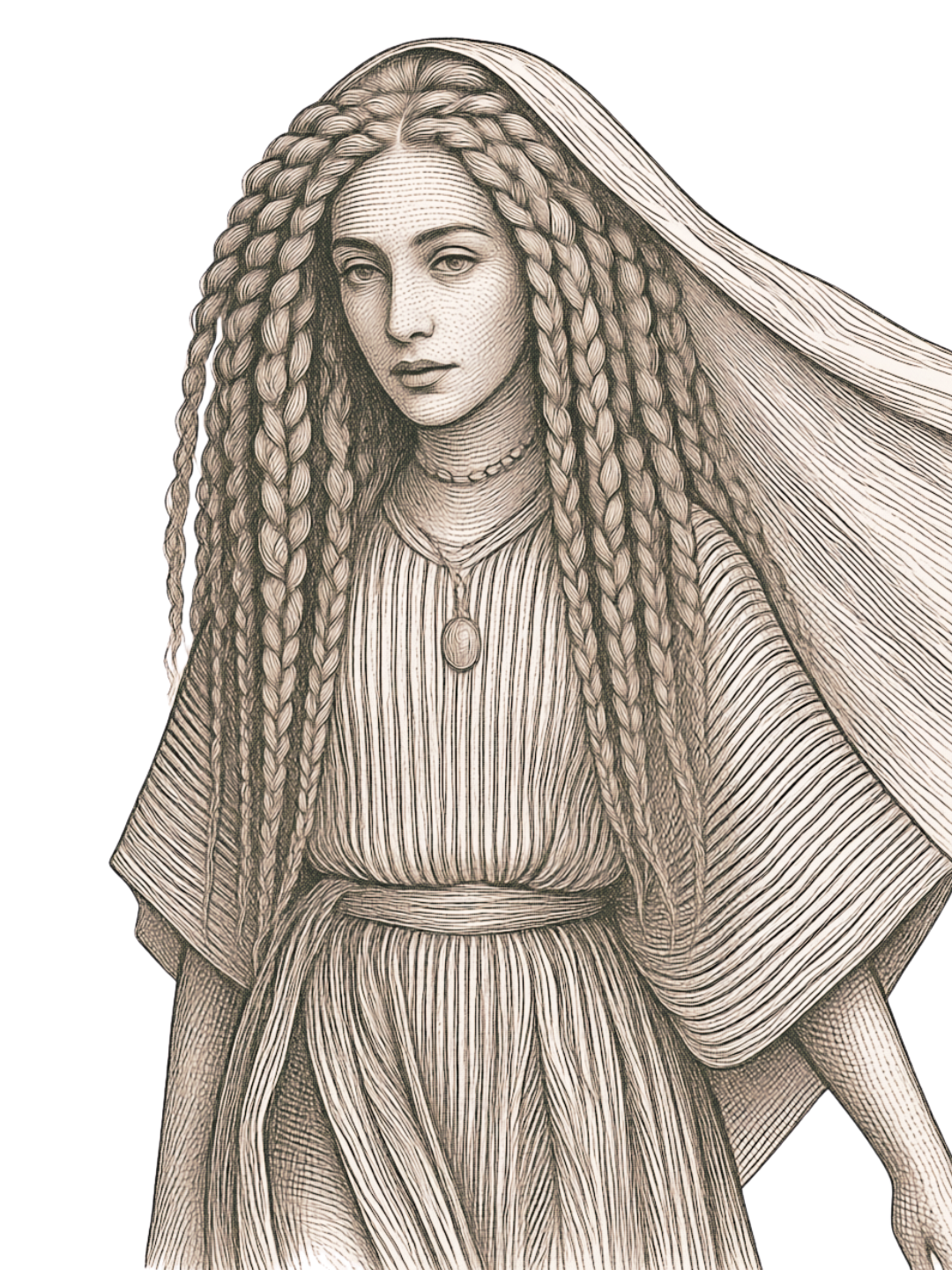
Ancient Greek medicine linked complaints related to periods with mental troubles and behavioural instability. Physicians proposed that menstrual blood could accumulate around the heart or that the uterus itself could wander through the body, causing emotional turbulence. The word “hysteria” itself comes from the Greek word for uterus, (1) embedding the idea that the female body was inherently pathological.
Related beliefs persisted into medieval Europe, where menstrual blood was thought to be dangerous or even supernatural. Into the 20th century, science became a dominant way to understand the world, but was (and still is!) negotiating with longstanding myths. Hungarian-born paediatrician Béla Schick, working in Vienna, published anecdotal observations suggesting that flowers wilted when handled by menstruating women. In the 1950s, researchers proposed the existence of “menotoxins”; toxic substances in menstrual blood.(2) Experiments injecting menstrual blood into animals, which later died from bacterial infection, reinforced the false conclusion that menstruation itself was poisonous.(3) The interpretation reflected cultural bias more than good experimental practice.
In contrast, there are certain menstrual traditions that are viewed as empowering and sacred. Mythologically menstrual blood has been characterised as a gift from the gods, or a punishment for sin. Its significance was seen as magical and powerful, indicating it was culturally important in most places and times.(4)
Menstruation was also a marker for women’s fertility. Orthodox Jewish purification rituals required menstruating women to immerse in mikvah baths,(5) creating a system that tracked fertility cycles and allowing for space and solidarity Across cultures, menstruation became not only a biological process, but a way to understand women’s social status.(6)
There has been diversity of beliefs and practices around menstruation and historical recognition of cyclical differences and capacities. While we might not want to be secluded from society anymore, rest days off work and lightened domestic expectations can take inspiration from some ancient practices.
When menstruation became political
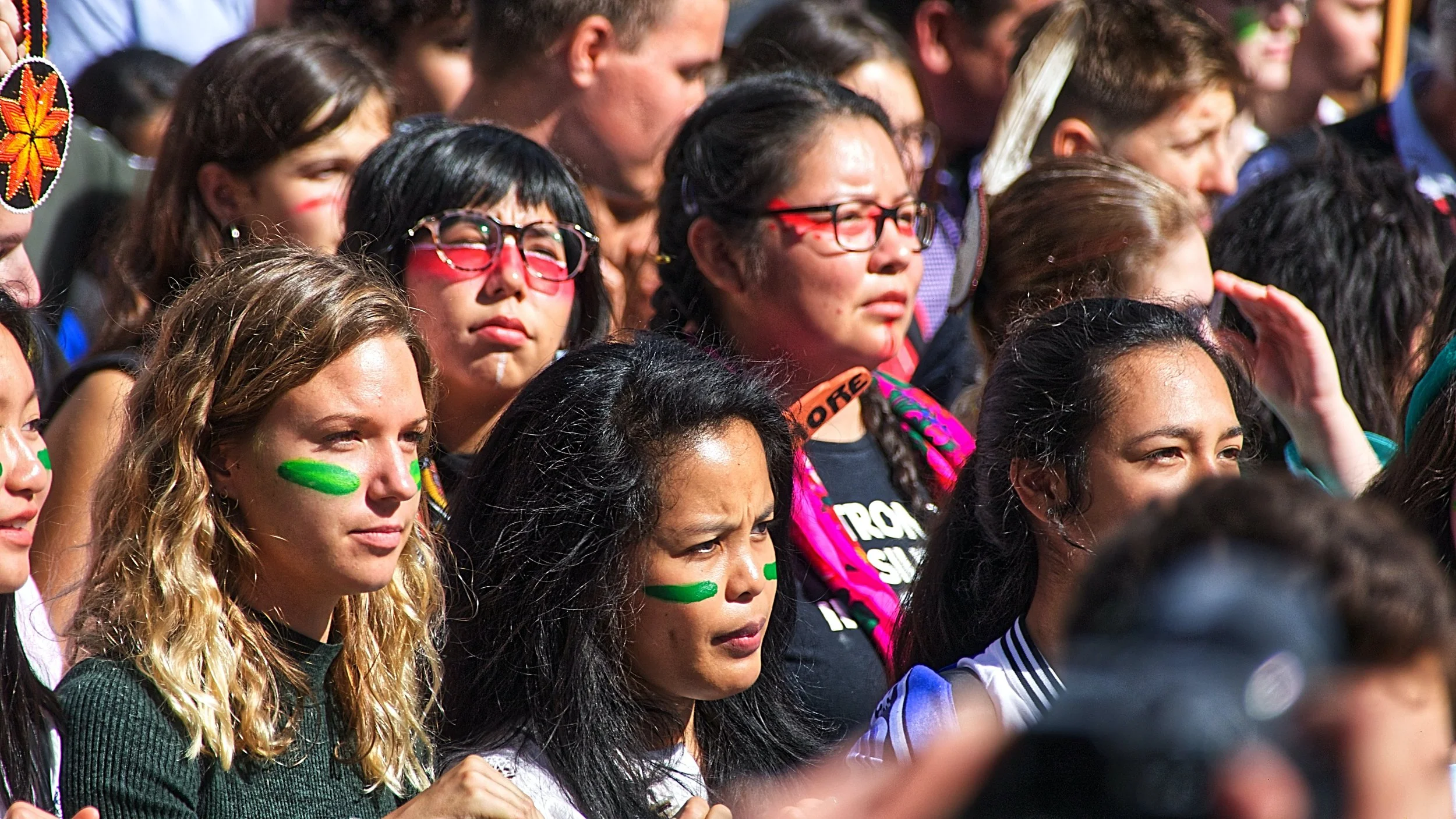
By the 19th century, menstruation had become central to debates about women’s rights. Many doctors claimed women were physically and intellectually incapable of work during their periods, using physiology to justify exclusion from education and employment.
Women scientists challenged this directly. In 1876, physician Mary Putnam Jacobi published rigorous research demonstrating that menstruation did not impair women’s physical or mental capacity.(7) Her work was groundbreaking, using scientific evidence to dismantle discriminatory assumptions.
At the same time, Lydia Pinkham, an American entrepreneur, openly discussed menstrual health at a time of deep stigma. She developed and sold herbal remedies and created a woman-to-woman health network, offering support outside the male-dominated medical establishment. Her work represented a form of community-based health advocacy, reminiscent of the many ways women cared for each other through midwifery and community healers throughout history.(8)
The biological revolution
The early 20th century brought transformative discoveries in reproductive biology. Scientists identified hormones — particularly estrogen and progesterone — as the regulators of the menstrual cycle. Menstruation was newly understood as the shedding of the uterine lining triggered by hormonal changes. This marked a fundamental shift: menstruation became understood as an active, regulated biological process rather than a mysterious loss of blood.
In the 1950s, physician Katharina Dalton helped establish premenstrual syndrome (PMS) as a legitimate biological condition. This helped validate women’s lived experiences, creating new kinds of conversations bridging physiology, psychology and symptom recognition.
Around the same time, biologist and activist Katharine McCormick funded critical research that led to the development of the contraceptive pill, approved in 1960.
Working alongside Margaret Sanger,(9) McCormick provided the essential financial backing while Sanger contributed the vision and developed connections with scientific networks. Despite Sanger's controversial legacy, the pill represented a turning point in reproductive autonomy.
Scientific advances also shed light on menstruation’s evolutionary purpose. Rather than being wasteful or unnecessary, as much 19th and 20th century science framed it, menstruation is now understood as part of an advanced reproductive system preparing the uterus for potential pregnancy, which in humans is a more difficult and costly process than for most animals (the vast majority of animals do not menstruate).(10)
The endometrium, the lining of the uterus, s a highly regenerative organ, capable of rebuilding itself each month through specialised stem cells. The placenta, an organ that comes into being to support a pregnancy and is simultaneously part of two bodies, is even more fascinating and still under-studied. These discoveries are due to advances in molecular biology, imaging, and genomics, and have helped shift menstruation into mainstream biomedical research.(11)

The modern paradox
The development of hormonal contraceptives has been revolutionary in giving women more control over their reproductive choices. For many, the pill has improved quality of life, reducing pain, stabilising mood and enabling consistent participation in education and work.
But this also creates a paradox. Menstrual suppression – which happens when a person takes the contraceptive pill – has often been treated as a solution rather than a signal of an underlying problem.(12) Hormonal contraception can mask symptoms of conditions such as endometriosis, adenomyosis and dysmenorrhea. Because it does not address their underlying causes, these conditions remain significantly underdiagnosed,(13) reflecting broader historical underinvestment in women’s health research.
At the same time, modern workplace structures and cultural standards continue to operate on assumptions of consistent, linear productivity. The standard 9-to-5 workday reflects hormonal patterns more aligned with male biology, rather than recognising the cyclical hormonal fluctuations experienced by menstruators.(14) These infradian rhythms can influence energy, cognition, mood and physical capacity throughout the cycle and experiences of these fluctuations will be different for different people.
Ignoring these variations can contribute to burnout, misdiagnosis and unnecessary stress. Integrating cycle-aware approaches into workplace design and occupational medicine remains an under-researched but critical frontier.
The research visibility gap
Despite growing recognition of menstrual health, significant gaps remain in whose experiences are studied and represented. Citation analyses of menstruation research reveal a disproportionate concentration of highly cited studies in high-income countries such as the United States and the United Kingdom.(15)
Low-income countries are significantly underrepresented. India is one of the few appearing in highly cited research, and even then, much of the work focuses on cross-sectional demographic observation(16) rather than analytical or intervention-based research.(17)
Citation patterns influence visibility, funding, and future research direction. When data from low-income countries remains underrepresented, the global scientific narrative becomes incomplete.
Science, like all systems, reflects the priorities of those who fund and conduct it. Addressing menstrual health globally requires expanding whose data is valued and supporting scientists from around the world to interpret it in locally meaningful ways.
Why this matters now
Today, menstruation is increasingly recognised as a vital indicator of overall health. Leading medical organisations such as the American College of Obstetricians and Gynaecologists and the American Academy of Paediatrics recommend monitoring menstrual cycles as a core health metric in adolescents.(18) Cycle irregularities can signal hormonal disorders, nutritional deficiencies, and broader systemic health issues.
Emerging research also challenges longstanding assumptions about performance and productivity. Cognitive performance, attention, and reaction time vary across the menstrual cycle,(19) with some phases associated with enhanced focus and responsiveness. This contradicts the historical framing of menstruation as a burden and instead highlights the complexity and adaptability of the female body.

Yet most healthcare systems, workplaces and institutions still operate without recognising these cyclical patterns.
Cultural change is essential and Period Reality exists to bridge this gap between scientific understanding and lived experience — breaking stigma, amplifying lived realities, and translating research into meaningful change across workplaces, schools, and healthcare settings.
Most workplace systems weren’t built for bodies that bleed. That’s why we created JIBE — designed to help organisations move beyond box-ticking policies towards genuine menstrual health awareness. By combining scientific evidence, lived experience and practical training, JIBE supports workplaces to build cultures that recognise cyclical health, improve wellbeing, and foster inclusion.
Women scientists, activists and entrepreneurs have been central to changing how we understand menstruation. The significance of this should be remembered as we celebrate the International Day of Women and Girls in Science in February and Women’s History Month in March.
References
Meissner, D. (n.d.). Hysteria. Marquette University. https://academic.mu.edu/meissnerd/hysteria.html.
Ailsa. ‘“Menotoxins” in a History of Periods: Impurity or Superstition?’ Vulvani, 11 Oct. 2021, https://www.vulvani.com/en/menotoxins-in-a-history-of-periods-impurity-or-superstition/.
Sole-Smith, Virginia. ‘What Is the Point of a Period?’ Scientific American, 1 May 2019, https://www.scientificamerican.com/article/what-is-the-point-of-a-period/
Tan, D. A., Haththotuwa, R.& Fraser, I. S. (2017). Cultural aspects and mythologies surrounding menstruation and abnormal uterine bleeding. Best Practice & Research Clinical Obstetrics & Gynaecology, 40, 121–133. https://doi.org/10.1016/j.bpobgyn.2016.09.015
Why I Use a Jewish Ritual Bath after My Period. www.bbc.com, https://www.bbc.com/news/av/world-middle-east-47129538. Accessed 1 Mar. 2026.
Strassmann, B. I. ‘The Function of Menstrual Taboos among the Dogon : Defense against Cuckoldry?’ Human Nature (Hawthorne, N.Y.), vol. 3, no. 2, June 1992, pp. 89–131. PubMed, https://doi.org/10.1007/BF02692249
Jacobi, M.P. (1877). The question of rest for women during menstruation
Lydia Pinkham’s Vegetable Compound (1873-1906) | Embryo Project Encyclopedia. https://embryo.asu.edu/pages/lydia-pinkhams-vegetable-compound-1873-1906. Accessed 1 Mar. 2026.
The Planned Parenthood fact sheet "The Birth Control Pill: A History" (June 2015)
Critchley, Hilary O. D., et al. ‘Physiology of the Endometrium and Regulation of Menstruation’. Physiological Reviews, vol. 100, no. 3, July 2020, pp. 1149–79. PubMed, https://doi.org/10.1152/physrev.00031.2019.
Critchley, Hilary O. D., et al. ‘Menstruation: Science and Society’. American Journal of Obstetrics and Gynecology, vol. 223, no. 5, Nov. 2020, pp. 624–64. PubMed, https://doi.org/10.1016/j.ajog.2020.06.004
McHugh, Maureen C. ‘Menstrual Shame: Exploring the Role of “Menstrual Moaning”’. The Palgrave Handbook of Critical Menstruation Studies, edited by Chris Bobel et al., Palgrave Macmillan, 2020. PubMed, http://www.ncbi.nlm.nih.gov/books/NBK565666/
Women and Equalities Committee (2024) Women's reproductive health conditions. First Report of Session 2024–25, HC 337. London: House of Commons. Available at: https://publications.parliament.uk/pa/cm5901/cmselect/cmwomeq/337/report.html
‘Biohacking Productivity: Why the Feminine Cycle Is a Leadership Superpower’. THNK School of Leadership, https://www.thnk.org/blog/biohacking-productivity-why-the-feminine-cycle-is-a-leadership-superpower.
Barrington, Dani Jennifer, et al. ‘Experiences of Menstruation in High Income Countries: A Systematic Review, Qualitative Evidence Synthesis and Comparison to Low- and Middle-Income Countries’. PloS One, vol. 16, no. 7, 2021, p. e0255001. PubMed, https://doi.org/10.1371/journal.pone.0255001.
Intervention-based Research in Operations Management" by A. Chandrasekaran et al. is published in Foundations and Trends in Technology, Information and Operations Management. This 2023 work examines intervention-based research methodologies within the field of operations. Access the full article at Emerald Insight.
National Institute of Child Health and Human Development. (2021, September 13). Menstrual cycles as a fifth vital sign. U.S. Department of Health and Human Services, National Institutes of Health.
Jang, Daisung, et al. ‘Menstrual Cycle Effects on Cognitive Performance: A Meta-Analysis’. PLOS One, vol. 20, no. 3, Mar. 2025, p. e0318576. PubMed Central, https://doi.org/10.1371/journal.pone.031